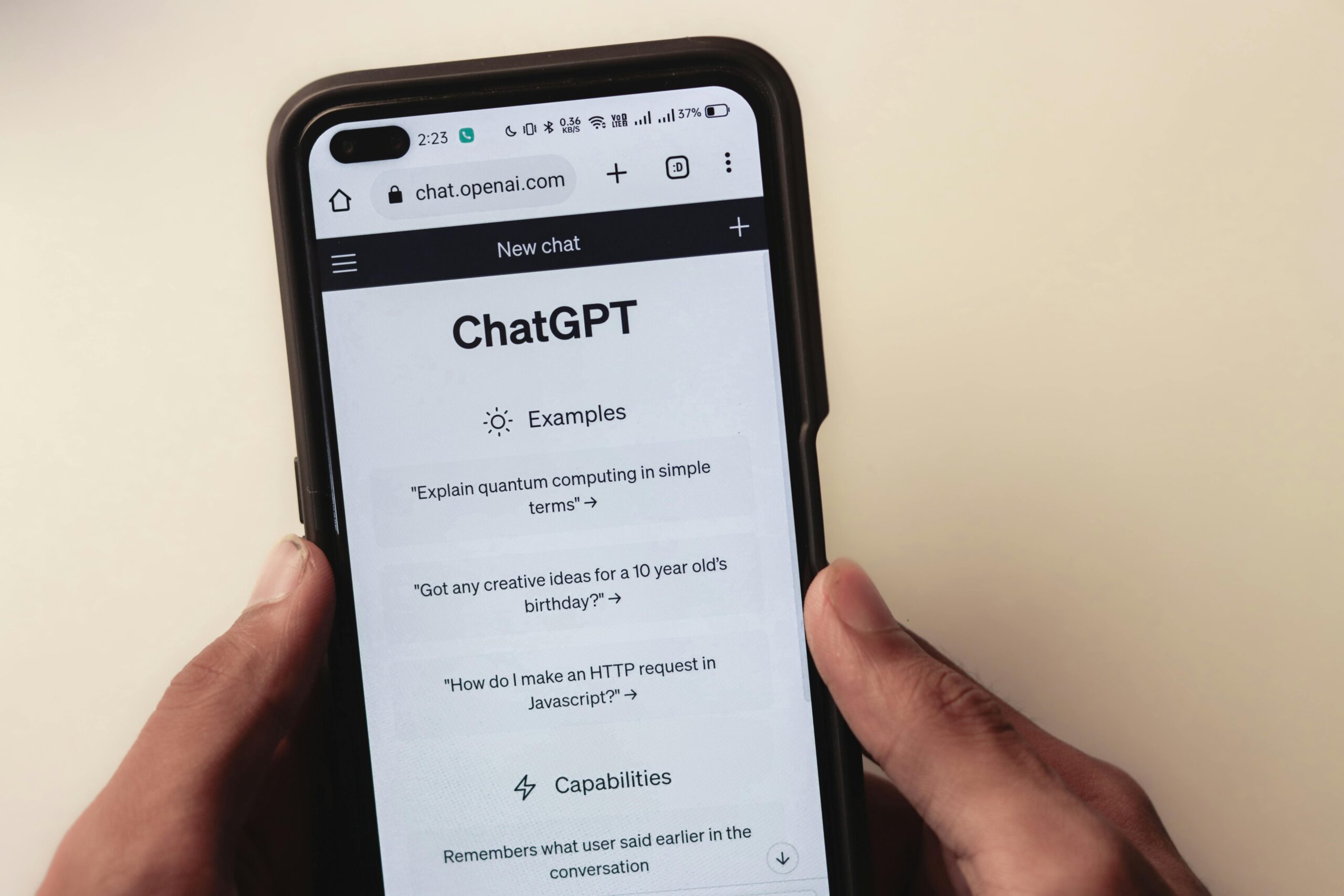

I recently read an article from Korn Ferry about memory in the age of AI, and it got me thinking. The piece explored how tools like generative AI can make our lives more efficient but might also weaken our ability to store and recall information.
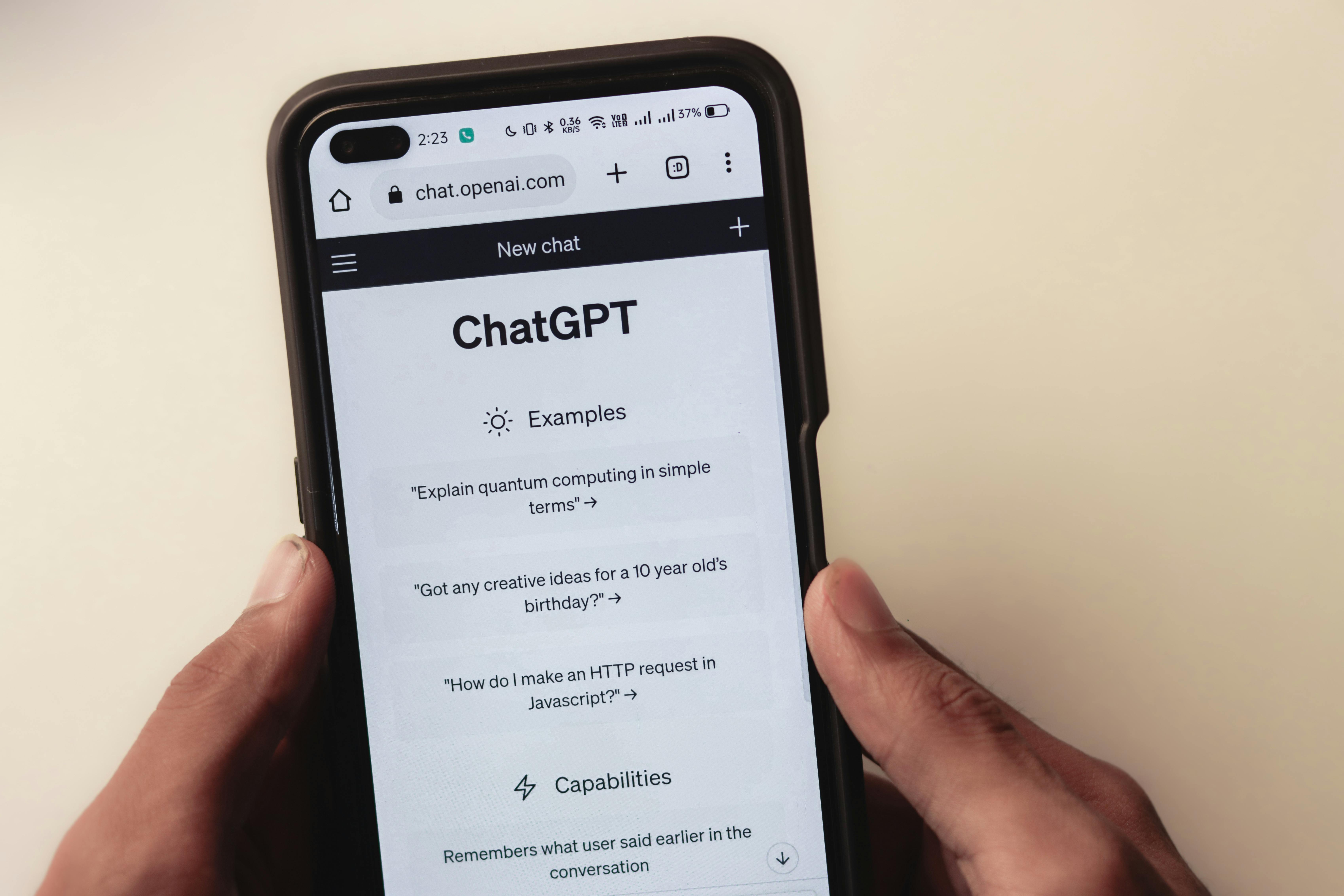
For me, this hit close to home. I have a learning disability, and for most of my life, it has created challenges that were both debilitating and embarrassing. I was an early adopter of Google Drive, and for years I’ve stored information there for easy recall, building my own personal knowledge base. When AI came along, it supercharged that system. Suddenly, I could retrieve, process, and create faster than ever before.
But here’s the thing: I’ve been disciplined in my relationship with AI. I’m not afraid that it will replace me. What concerns me is that if I’m not careful, it could allow me to atrophy my own mental recall.. the very skill that has been hard-won over decades of work and adaptation.
The other day, I caught myself mid-conversation, forgetting something I used to know. My hand went instinctively to my phone, ready to let it think for me. I stopped. Instead, I stayed in the moment. My client and I co-created the answer through mutual recall and authentic conversation. That exchange was richer than any instant AI response could have been.
This is why I’ve set some personal boundaries for how I use AI. I think of them as my AI Partnership Code… a set of principles that keep me on the cutting edge while staying true to my values:
Litmus Test:
“Does this interaction improve my life, further my goals, and support my personal mission, or am I just taking the lazy route?”
1. Guess before Googling
I give my brain a chance to retrieve, reason, or imagine before reaching for AI or search tools… at least 60 seconds of mental work first.
I might consider using this idea from the article: Use this prompt with AI to guess before Google… “Before you give me the answer, I’m going to try to explain or solve this myself: [insert your attempt]. Afterward, can you compare my response to the correct answer and explain where I went wrong or right?”
2. Collaborate before consulting
I prioritize authentic human conversation and co-creation of knowledge over immediate machine answers. People first, AI second.
3. Expand, don’t outsource
I use AI to broaden my perspectives, challenge my biases, and discover what I didn’t know existed, but not to bypass the deep work of thinking, connecting, and synthesizing.
4. Check the source, double-click the detail
I go beyond AI’s summaries, engaging with primary sources or deeper explanations to strengthen my understanding and guard against hallucinations.
5. Stay in the driver’s seat
I remember that AI is my partner, helping me overcome challenges, create boldly, and work more efficiently, but never the replacement for my own wisdom, creativity, and judgment.
And here’s my personal litmus test: Does this interaction improve my life, further my goals, and support my personal mission… or am I just taking the lazy route?
I’m leaning forward, learning forward. I believe those who can partner with AI while staying uniquely human, practicing authentic engagement, critical thinking, and mutual problem-solving will rise to the top. For me, AI isn’t just a tool. It’s a collaborator. But the mind is a muscle, and I intend to keep mine strong.