
Have you ever felt so angry, sad, or anxious that you just wanted to shut down, lash out, or run away? Emotions can drive us to act—but sometimes those actions aren’t helpful or don’t match the facts of the situation.
That’s where Opposite Action comes in.
Opposite Action is a practical skill from Dialectical Behavior Therapy (DBT). It helps you shift your emotional state by doing the opposite of what your emotion urges—but only when the emotion doesn’t fit the facts or acting on it wouldn’t help.
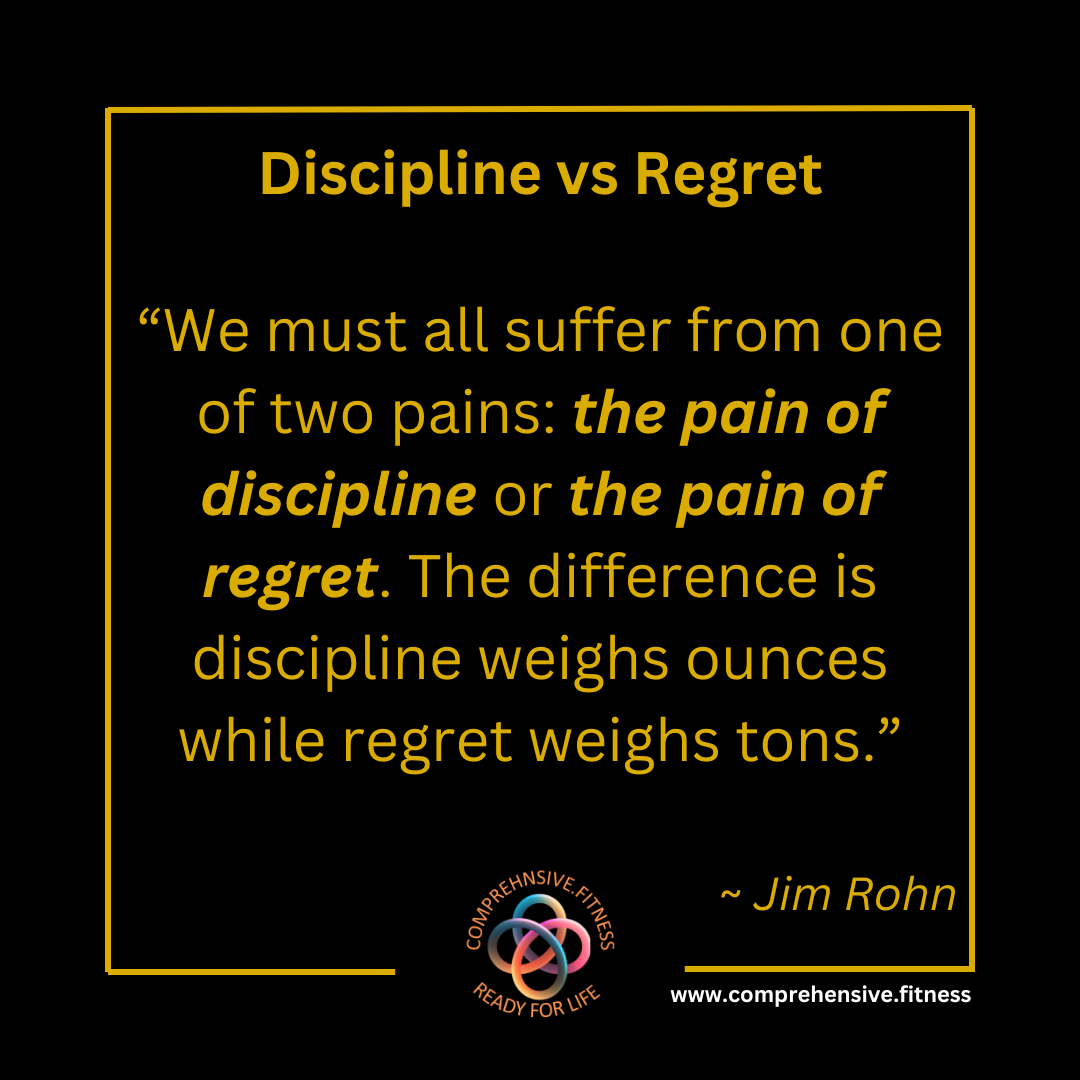
This technique reflects the wisdom in Jim Rohn’s quote:
“We must all suffer from one of two pains: the pain of discipline or the pain of regret.”
Discipline weighs ounces. Regret weighs tons.
In pivotal moments, ask yourself:
“How would my future self want me to respond?”
Choosing discipline—doing the opposite action—honors your future self and shapes the person you become.
How It Works:
-
Identify the emotion.
What are you feeling right now? Anger, fear, shame, sadness? -
Check the facts.
Does this emotion fit the situation? Is it helpful to act on it? -
Notice the urge.
Every emotion pushes you toward action. Fear might urge you to avoid. Anger might push you to attack. Sadness might tell you to withdraw. -
Do the opposite.
Choose a behavior that goes directly against that urge—on purpose and with full attention.
Examples:
-
Angry but don’t want to damage the relationship? Instead of yelling or storming off, be kind, listen, or take a break.
-
Sad and tempted to isolate? Get out of bed, call a friend, or go for a walk.
-
Anxious about a task you’re avoiding? Break it down and take one small step forward.
Opposite Action isn’t fake or forced—it’s a tool to get unstuck, disrupt unhelpful patterns, and take control of your emotional health.
It’s one way to choose the pain of discipline now instead of carrying the weight of regret later.
Stay safe. And I will listen.