

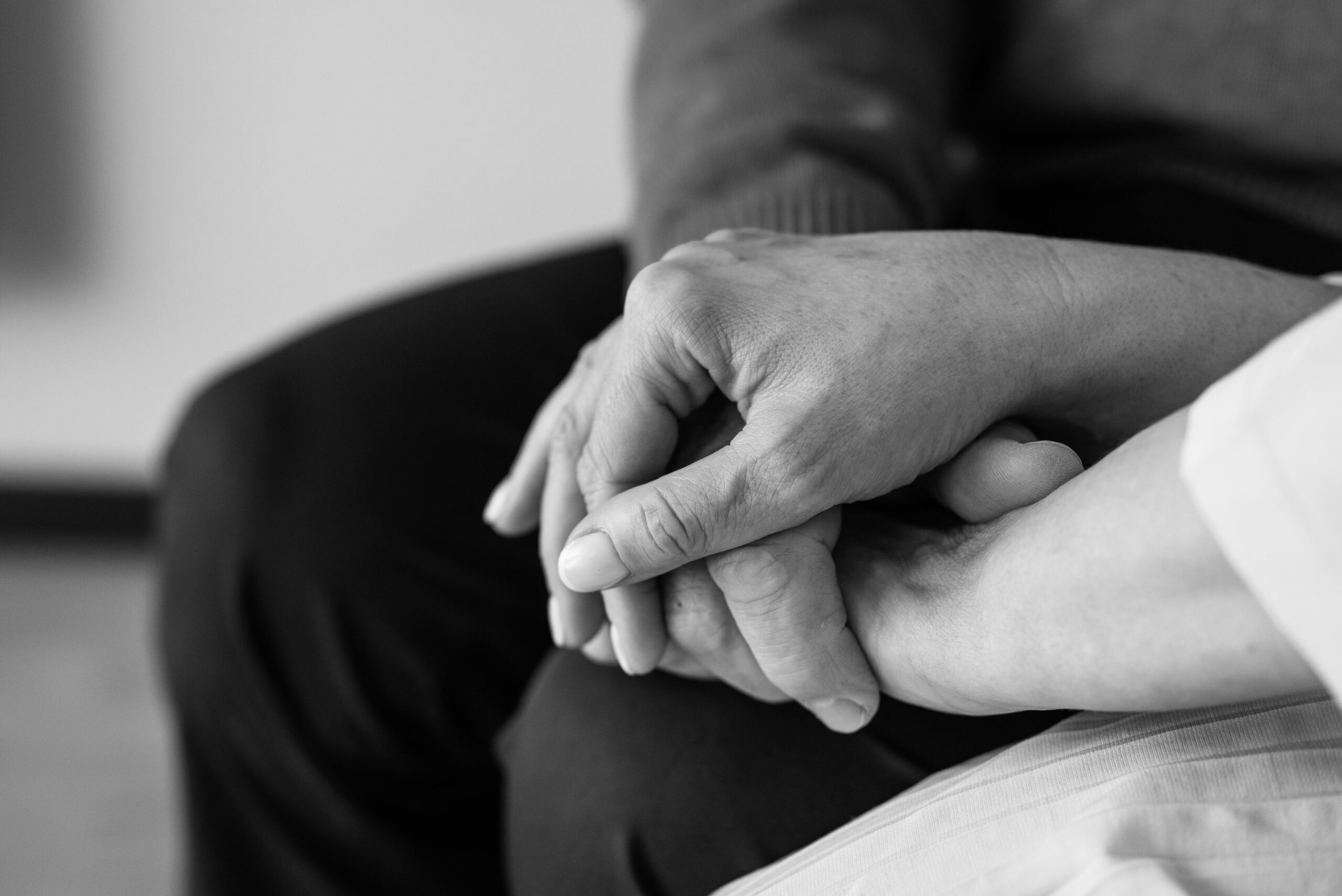

Recently a client asked me, “How can I properly grieve? Any Tips?”
This got me thinking about how many people I’ve worked with over the years are in some stage of the grieving process and inspired me to jot down my thoughts on it.
Grief is the emotional, physical, and psychological response to loss; most often the loss of someone or something deeply meaningful. It’s a natural process that includes a wide range of feelings like sadness, anger, confusion, and even relief, all of which reflect the impact of what’s been lost.
Grief is part of human experience and yet, when it hits, it can feel like no one prepared us for it. As someone who works in the comprehensive fitness space, I’m not a counselor or therapist. But I’ve walked beside hundreds of people through seasons of loss (figuratively and literally) and I’ve seen how movement, structure, and compassion can serve as anchors in a storm.
I also come to this conversation with some unique life experience. During my time in the Army, I was trained as both a Casualty Notification Officer and a Casualty Assistance Officer. I never served in the assistance role, but I did carry out multiple notifications. It’s hard to put into words what it means to look someone in the eyes as their world changes forever. Later, I served on the board for First H.E.L.P., an organization that supports the families, friends, and coworkers of first responders lost to suicide. Those families didn’t just face loss, they faced stigma, isolation, and silence.
I’ve also personally experienced grief in many forms… I’ve lost family members and close friends. I’ve missed out on job opportunities that, at the time, felt like existential blows. I’m a 21-year veteran of the military who still misses the structure, purpose, and camaraderie of that life. I’ve mourned the ending of meaningful relations and walked through my own divorce, and the divorce of my parents.
But here’s what I’ve learned: while those experiences may help me empathize more deeply, they don’t qualify me to guide someone else through their grief. Because grief is personal. Deeply personal. No two people walk the same path. What I can offer is presence, support, and a reminder that healing doesn’t have to be done alone.
I say all this for one reason: not to position myself as an expert, but to let you know where I’m coming from when I say this:
Grief deserves our full respect. And no one should try to go through it alone.
What I can offer from the training and coaching side is this:
The Body Carries What the Heart Feels
Grief isn’t just emotional. It’s physical. Sleep, energy, digestion, hormones, immunity… everything gets affected. Movement can help but only if it matches your capacity.
- Go for walks.
- Stretch without a plan.
- Do a short strength session if it feels right.
Let your movement match your moment.
Replace Rigid Routines with Gentle Rhythms
You don’t need to be “disciplined” right now you need to be compassionate.
- Use anchor points (“After breakfast, I’ll walk”) instead of strict schedules.
- Celebrate showing up, not just performing.
Make Space to Feel
Emotional fitness means letting the emotions move through you—not avoiding them.
Try:
- 5 minutes of journaling or voice notes
- A 10-minute guided meditation for grief
- Naming what you’re actually feeling, even if it’s messy
A Note on Scope
Let me be clear: I am not a licensed counselor. I believe strongly that grief counseling is its own skillset and sacred space and that it’s wise to seek help from someone who is trained to walk you through that kind of work. If you’re grieving deeply or struggling to function, please reach out to a counselor or grief coach. There’s no weakness in that. It’s actually one of the strongest things you can do.
Final Thoughts
You don’t need to rush healing. You don’t need to be anyone’s version of “strong.” You’re allowed to feel it all. You’re allowed to rest. And when you’re ready, you’re allowed to move again not to escape the grief, but to walk through it with more presence and support.
Does the grieving process actually end?
After years of working with families and friends left behind after a suicide, I’ve realized that not only is the grieving process different for everyone, but it also never really ends in some cases. It changes. Over time, it shifts from acute pain to a quieter presence. You may carry it differently, but you still carry it. Some days it feels heavy, other days it feels like a thread woven into who you’ve become.
Healing doesn’t mean forgetting; it means learning to live forward with what’s been lost.
But here’s the hopeful truth: in that process, many people discover a deeper strength than they ever knew they had. Grief reshapes us… it stretches our capacity for empathy, deepens our perspective, and can even sharpen our sense of purpose. We emerge changed, yes… but often more compassionate, more grounded, and more attuned to what really matters.
There’s no timeline for that shift, and there’s no shortcut through it. But I’ve seen it happen, quietly, over time, as people take one small step forward, then another. And if you’re in that place right now, just know: you’re not broken. You’re becoming.
As your trainer, coach, or friend, I’m here to remind you of this:
You don’t have to move fast. You just have to keep moving.
If you’d like help building a gentle movement routine or pair physical training with emotional self-care, I’m here. And if you need deeper support, I’ll always point you toward someone who’s trained to walk that path with you.