
How Would Your Future Self Want You to Respond?
In moments of stress, conflict, or uncertainty, it’s easy to default to reactivity, saying something we regret, making a decision we didn’t fully think through, or acting in a way that doesn’t reflect who we want to be.
But there’s a simple, powerful question that can change everything:
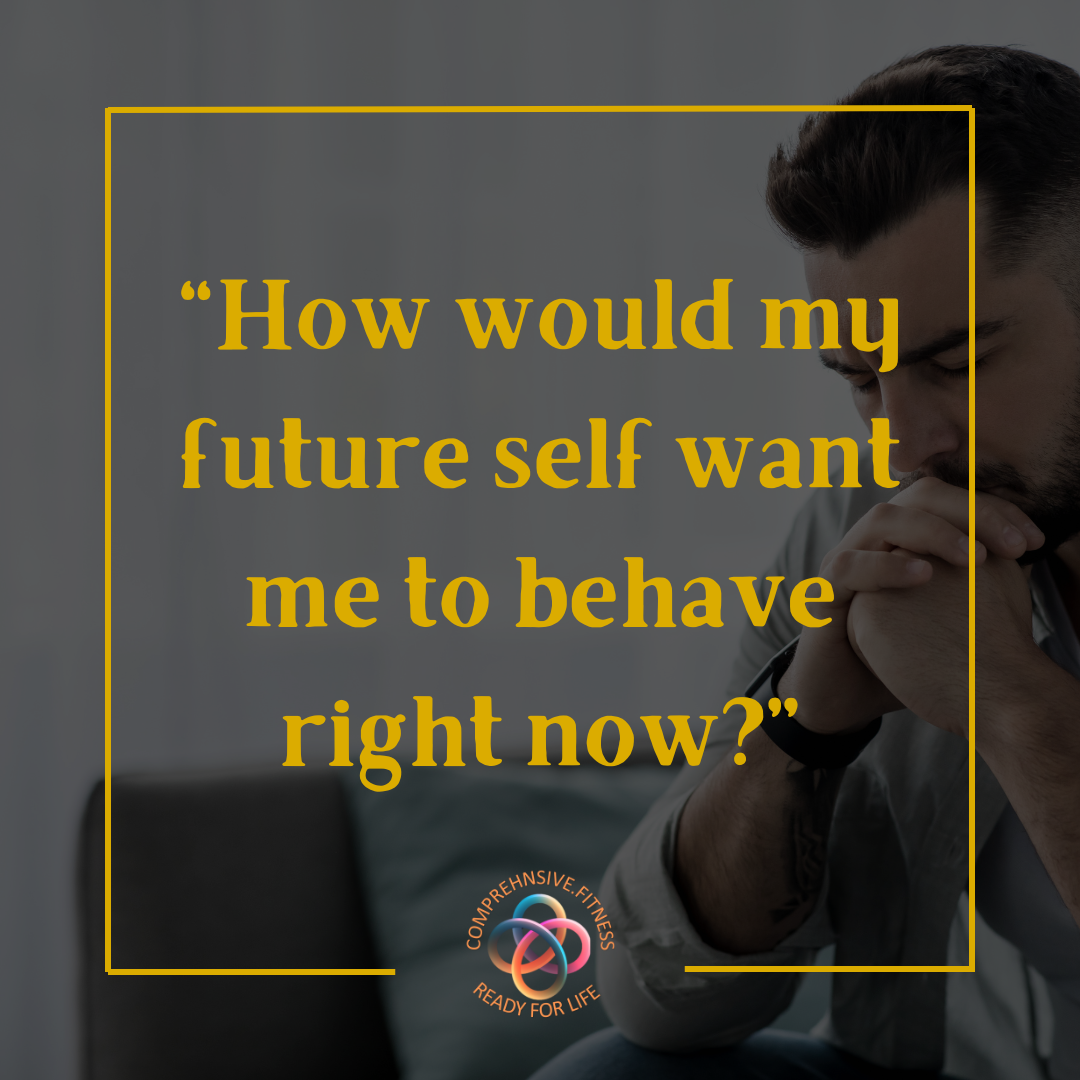
“How would my future self want me to respond right now?”
That one question disrupts the stimulus-response cycle. It forces a pause, and with it, the opportunity to choose wisely. To think clearly. To act with intention instead of instinct.
It also invites deeper reflection using three timeless ethical lenses drawn from military decision-making, classical philosophy, and leadership development frameworks.
The Three Lenses of Ethical Decision-Making
When you’re unsure what to do, run your response through these filters:
1. Rules: What are the expectations or norms here?
These might be written rules like policies or laws, or unwritten ones like team norms, personal boundaries, or professional standards.
What is expected of someone in your role or position?
2. Outcomes: What could happen as a result of this action?
Step back and assess the potential ripple effects.
Will this decision move you toward or away from your goals? How might it affect others?
3. Virtue: What would a person of character do here?
This lens taps into who you aspire to be — your values, your identity, your integrity.
If your kids, your teammates, or your future self were watching, would you be proud of this choice?
This is what some call the “WWJD” test (What Would Jesus Do?), or in military leadership, the “mom test” — Would I make this decision if my mom were in the room?
Ultimately, virtue isn’t about who’s watching — it’s about living in alignment with who you are.
This Is How Leaders Think
In the Results-Oriented Communication (ROC) model, this moment fits perfectly between “I Sense” and “I Think.” After you’ve gathered the facts, you slow down and examine your thoughts through the ethical lens.
This is the cognitive pause that creates emotional clarity (“I Feel”) and unlocks values-based intention (“I Want”). That’s how you reach a decisive, meaningful “Let’s Do.”
So next time you’re triggered, frustrated, or unsure what to say or do, ask yourself:
“How would my future self want me to respond?”
Then consider:
-
What’s expected of me?
-
What will this action produce?
-
What would integrity look like here?
You’ll be amazed how quickly this clears the mental fog, refines your next move, and reminds you: You are in charge of you.