

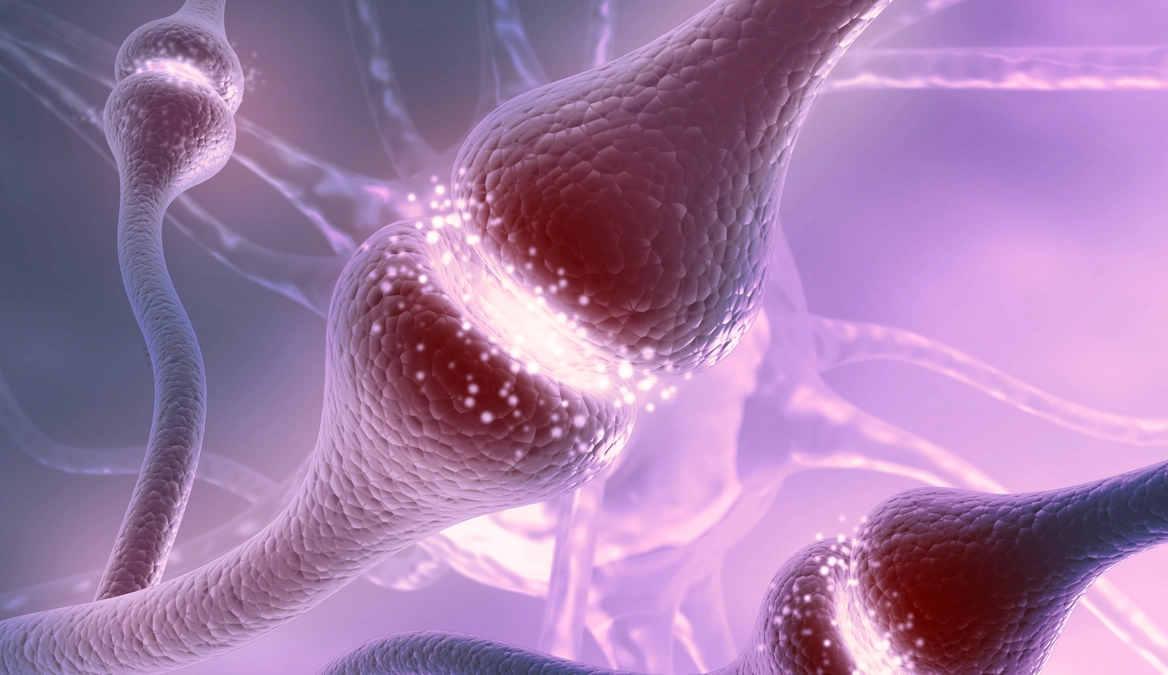

Adrenaline (also known as epinephrine) is a hormone and neurotransmitter that is produced and released by the adrenal glands in response to stress or danger. It is often referred to as the “fight or flight” hormone because it prepares the body to respond to perceived threats.
Adrenaline acts on receptors throughout the body to increase heart rate, constrict blood vessels, dilate the airways, and increase blood flow to the muscles. This prepares the body to respond to a stressful situation, whether it be to fight or to run away.
In addition to its role in the stress response, adrenaline also plays a role in regulating blood glucose levels and can act as a bronchodilator to help open the airways in people with asthma.
Adrenaline is a potent hormone and is responsible for the physical symptoms of stress and anxiety, such as increased heart rate, sweating, and shaking. In some medical emergencies, such as anaphylaxis, adrenaline is used as a life-saving treatment to rapidly increase blood pressure and improve breathing.
In summary, adrenaline is a hormone and neurotransmitter that is produced in response to stress or danger and prepares the body to respond to a perceived threat by increasing heart rate, blood flow, and airway openness.
Five Healthy Benefits of Adrenaline
- Increases Alertness: Adrenaline acts on the brain to increase alertness and focus, making it easier to respond quickly to threats or danger.
- Improves Physical Performance: Adrenaline increases blood flow to the muscles, providing them with more oxygen and energy to perform physical activities.
- Regulates Blood Sugar: Adrenaline helps to regulate blood glucose levels by increasing the breakdown of stored glucose in the liver, making it available for energy when needed.
- Opens Airways: Adrenaline can act as a bronchodilator, helping to open the airways and improve breathing in people with asthma or other respiratory conditions.
- Promotes Survival: By increasing heart rate, blood pressure, and blood flow to the muscles, adrenaline prepares the body for the “fight or flight” response, which can increase the chances of survival in dangerous or stressful situations.
It is important to note that while adrenaline can have many positive effects. Adrenaline can also have negative effects if produced in excess or for prolonged periods of time, leading to symptoms of anxiety, insomnia, and cardiovascular problems. It is important to maintain a healthy lifestyle and manage stress levels to keep adrenaline levels in balance.
Want to learn how to reduce the negative impacts of adrenaline? Check out, “8 Ways to Reduce Excess Adrenaline During Stressful Times“