

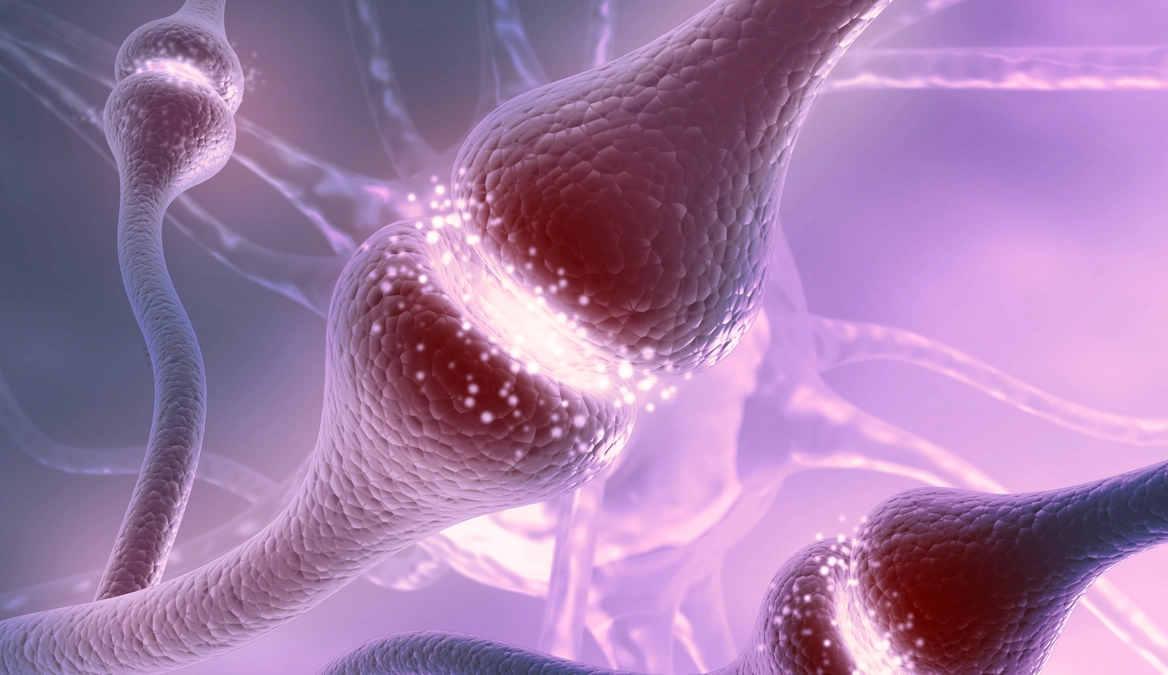

Glutamate is a neurotransmitter that is involved in many functions in the brain and central nervous system, including learning and memory, as well as regulation of neuronal excitability.
Glutamate acts as an excitatory neurotransmitter, meaning that it stimulates the activity of neurons and increases the flow of information in the brain. This is important for processes such as learning and memory formation, where glutamate helps to reinforce the connections between neurons.
However, too much glutamate in the brain can lead to over-stimulation and cell death, which is associated with a variety of neurological disorders, including Alzheimer’s disease, epilepsy, and stroke. For this reason, the levels of glutamate in the brain are regulated by a delicate balance between its production and removal.
In summary, glutamate is an important neurotransmitter that plays a crucial role in many functions in the brain and central nervous system, including learning and memory, and regulation of neuronal excitability. However, excessive levels of glutamate can be damaging to the brain, and its levels are regulated by a delicate balance.
How can I produce a healthy amount of Glutamate?
- Exercise: Physical activity can increase the production of glutamate in the brain.
- Diet: Consuming a diet rich in glutamate-containing foods such as meat, dairy products, and fermented soy products can help increase the production of glutamate.
- Supplements: Supplements such as creatine, which is found in red meat and fish, can help increase the levels of glutamate in the brain.
- Mental Stimulation: Engaging in mentally stimulating activities such as reading, writing, solving puzzles, or playing games can help to increase the production of glutamate.
- Sleep: Adequate sleep is important for the proper functioning of the brain and the regulation of neurotransmitters, including glutamate.
It is important to note that while these strategies may help to increase the production of glutamate, they should not be used as a substitute for medical treatment and always should be discussed with a healthcare provider before starting. Additionally, maintaining a healthy lifestyle and managing stress levels can also have a positive impact on glutamate production and overall brain function.