
GABA – A Calming Neurotransmitter

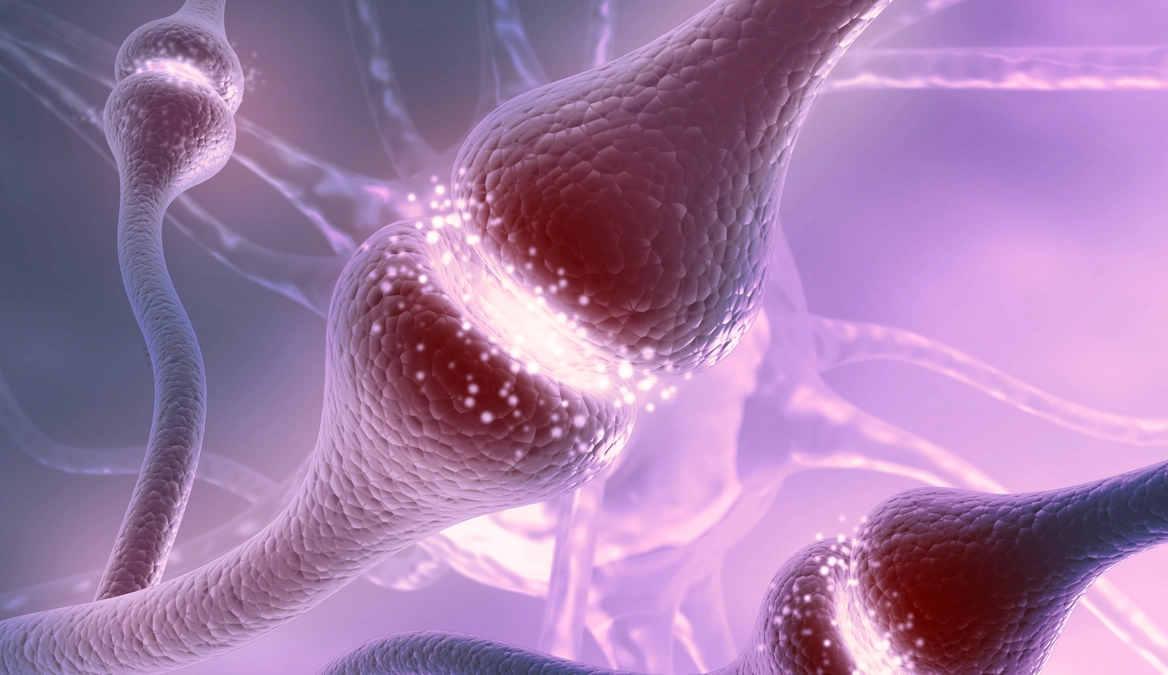
GABA (Gamma-Aminobutyric Acid) is a neurotransmitter that acts as an inhibitory neurotransmitter in the central nervous system. This means that it helps to reduce the activity of neurons in the brain and nervous system and has a calming effect.
GABA plays a key role in regulating anxiety, stress, and mood, as well as promoting relaxation and sleep. It works by binding to specific receptors in the brain and reducing the release of other neurotransmitters, such as glutamate, which can excite and overstimulate neurons.
Low levels of GABA have been linked to several conditions, including anxiety, depression, insomnia, and seizures. Certain medications, including benzodiazepines, work by increasing the action of GABA in the brain to help reduce anxiety and promote relaxation.
In summary, GABA is an important neurotransmitter that helps to regulate brain activity and promote relaxation, and low levels of GABA have been associated with several conditions.
Here are some ways to increase GABA levels during a stressful time:
- Exercise: Regular physical activity has been shown to increase GABA levels, particularly low-impact activities like yoga or stretching.
- Relaxation Techniques: Engaging in practices such as meditation, deep breathing, or progressive muscle relaxation can help to increase GABA levels.
- Nutrition: Some nutrients, such as vitamin B6 and magnesium, play a role in GABA synthesis and may help to increase GABA levels when consumed in adequate amounts.
- Sleep: Getting adequate sleep and maintaining good sleep quality can help to boost GABA levels.
- Supplements: Some supplements, such as GABA supplements or herbs like passionflower and valerian root, have been shown to increase GABA levels. However, it’s important to note that supplements should only be used under the guidance of a healthcare provider.
- Massage Therapy: Massage therapy has been shown to increase GABA levels and reduce stress and anxiety.
Remember that everyone reacts differently to different stress management techniques, so it’s important to experiment with different methods and find what works best for you.
Try Progressive Muscle Relaxation
Progressive muscle relaxation is a relaxation technique that involves tensing and relaxing different muscle groups in a specific order to reduce muscle tension and promote relaxation. This technique is thought to increase GABA levels by inducing a state of relaxation and reducing stress and anxiety.
When we are stressed or anxious, our muscles tend to tense up, which can lead to physical discomfort and pain. Progressive muscle relaxation helps to release this tension and promote a state of relaxation, which can reduce stress and anxiety. By reducing stress and anxiety, progressive muscle relaxation can help to increase GABA levels, which can further enhance the feeling of relaxation and reduce symptoms of anxiety.
The exact mechanisms by which progressive muscle relaxation increases GABA levels are not well understood, but it is thought to involve changes in the activity of various brain regions, including the amygdala and the hypothalamus-pituitary-adrenal (HPA) axis, which are involved in regulating stress and anxiety. By reducing stress and anxiety, progressive muscle relaxation can help to increase GABA levels and promote feelings of relaxation and well-being.