



The Nine Domains of Comprehensive Fitness
Spiritual Fitness
Cultivating meaning, purpose, values, integrity, connection to something greater, and alignment between what you believe and how you live.
What is spiritual fitness?
Spiritual fitness is the capacity to live with meaning, direction, perspective, and integrity.
Spiritual fitness is the intentional development of values, purpose, identity, perspective, and the ability to align everyday actions with what matters most. It is one of the nine interconnected domains of Comprehensive Fitness.
Do you have to be religious to be spiritually fit? No. Religious faith and practices are deeply important sources of spiritual fitness for many people, but religious affiliation or belief is not a requirement. Meaning can also arise through service, family, relationships, community, reflection, nature, and commitments grounded in a secular worldview. No single belief system is prescribed here.
This domain asks not only What do I believe? but also How do those beliefs shape the person I am becoming and the choices I make today?
The essential capacities
What does spiritual fitness include?
Values
Fundamental beliefs and commitments that guide priorities, decisions, and behavior.
Purpose
Meaning in daily responsibilities, relationships, work, service, and ordinary choices.
Integrity
Wholeness: bringing who you believe you are, what you say, and what you do into closer agreement.
Perspective
Remembering that the present difficulty is not the whole story and that you belong to something beyond the immediate moment.
Values clarity
Name what matters, before life names it for you.
A value is more than a word you admire. It is a belief or principle you are willing to let guide a decision, especially when the decision is inconvenient. Honesty, compassion, responsibility, family, courage, service, and fairness may all matter, but each person has to decide what those words mean in practice.
Identify
Write down five values that you want to guide your life. Choose them because they matter to you, not because they sound impressive.
Define
For each value, finish the sentence: “When I live this value, people can see me…” Give an observable example.
Clarify
When two values compete, what guides the choice? For example, how do you balance service to others with responsibility to your own family and health?
Values clarification is an ongoing practice. Our understanding can deepen as our responsibilities and circumstances change. The objective is not a perfect list; it is a clearer compass.
Meaning in ordinary places
Purpose does not have to be grand to be meaningful.
Purpose can be found in raising a child, mentoring a coworker, keeping a promise, caring for someone who needs you, completing an honest day’s work, or being present when someone is struggling. These acts may never earn public recognition. Their significance is not diminished by that fact.
Try asking: Who benefits when I do this well? What value does this responsibility express? What would this ordinary task look like if I approached it as an act of care, stewardship, or service?
Purpose is not necessarily a single lifelong calling. It can emerge and evolve through the roles we hold and the choices we repeatedly make.
Identity and integrity
Integrity means wholeness.
Think of integrity not merely as rule-following, but as congruence: the degree to which your beliefs, words, decisions, and actions belong to the same person. We are not separate selves at home, at work, or in our communities, even when those settings ask different things of us.
Who I believe I am
The identity I claim, the commitments I hold, and the values I want to represent.
What I say
The promises I make, the standards I describe, and the expectations I communicate.
What I do
The observable decisions and repeated behaviors that show where my actual priorities lie.
A gap between those three is information, not a permanent verdict. Notice it, take responsibility where appropriate, repair what you can, and choose the next action that brings you closer to wholeness.
For a related reflection, explore The Things We Carry With Us.
When life gets loud, regain perspective.
A difficult moment can narrow our attention until the immediate pressure feels like the entire world. Spiritual fitness invites us to widen the frame: What remains true beyond this moment? Who or what can help ground me? What kind of person do I want to be as I move through this?
For some, grounding includes prayer, worship, sacred texts, or religious community. For others, it involves time outdoors, reflection, meditation, family, service, meaningful rituals, or philosophical practices. What matters is whether the practice supports connection, perspective, and an intentional way forward.
Values alignment
Close the gap between what matters and how you live.
Our calendars, attention, conversations, and spending often reveal our priorities more clearly than our declarations do. Alignment is not perfection. It is the repeated effort to bring actual behavior closer to chosen values.
Notice the gap
Choose one value. Where did your actions reflect it this week? Where were they inconsistent?
Understand the friction
What made alignment difficult: pressure, fatigue, fear, competing commitments, or an old habit?
Choose one repair
Make one realistic adjustment, conversation, boundary, or commitment. Then check again next week.
This work connects naturally to Emotional Fitness through awareness and regulation, Intellectual Fitness through reflection and challenging assumptions, and Occupational Fitness through the demands and ethical choices we encounter at work.
When values are challenged
A brief word about moral injury
Sometimes people experience, witness, or feel betrayed by events that violate deeply held moral beliefs. The resulting distress can affect identity, meaning, trust, relationships, and spiritual well-being. This is one reason values, integrity, connection, and perspective matter in conversations about moral injury.
Spiritual fitness practices may provide grounding and support prevention or recovery efforts, but they do not guarantee prevention or substitute for professional care. Moral injury is not simply a failure to live by one’s values, and recovery may require trusted relationships, organizational accountability, and specialized support.
Pause and take inventory
Where are you right now?
This is not a grade or a test of religious belief. It is an honest snapshot of your current capacity for meaning, alignment, and perspective.
Name
What three values matter most to you today, and what do they look like in real behavior?
Examine
Where are your actions consistent with those values? Where do you notice a gap?
Reconnect
What ordinary responsibility already gives your life meaning? What helps you regain perspective?
Reflect: On a scale of 1 to 10, how aligned does your daily life feel with what you say matters most? What would one point better look like?
Start where you are
Three ways to practice spiritual fitness
Right now · Two minutes
Write down one value and describe the specific behavior that would express it today.
This week · One ordinary responsibility
Choose a task you normally rush through. Ask who benefits when you do it well, and act with that purpose in mind.
Build a practice · Weekly checkpoint
Review a decision, a conversation, and a use of your time. Where did they reflect your values? What will you adjust next week?
Continue exploring spiritual fitness
These existing CF resources explore identity, principles, and the connection between what matters and how we act.
The complete framework
Explore the Nine Domains of Comprehensive Fitness
Spiritual Fitness is one of nine interconnected domains. Choose another area to learn how the full framework supports readiness for life.
 Physical Fitness
 Emotional Fitness
 Intellectual Fitness
 Social Fitness
 Family Fitness
 Environmental Fitness
 Financial Fitness
 Occupational Fitness
Keep exploring
Latest from Spiritual Fitness
-
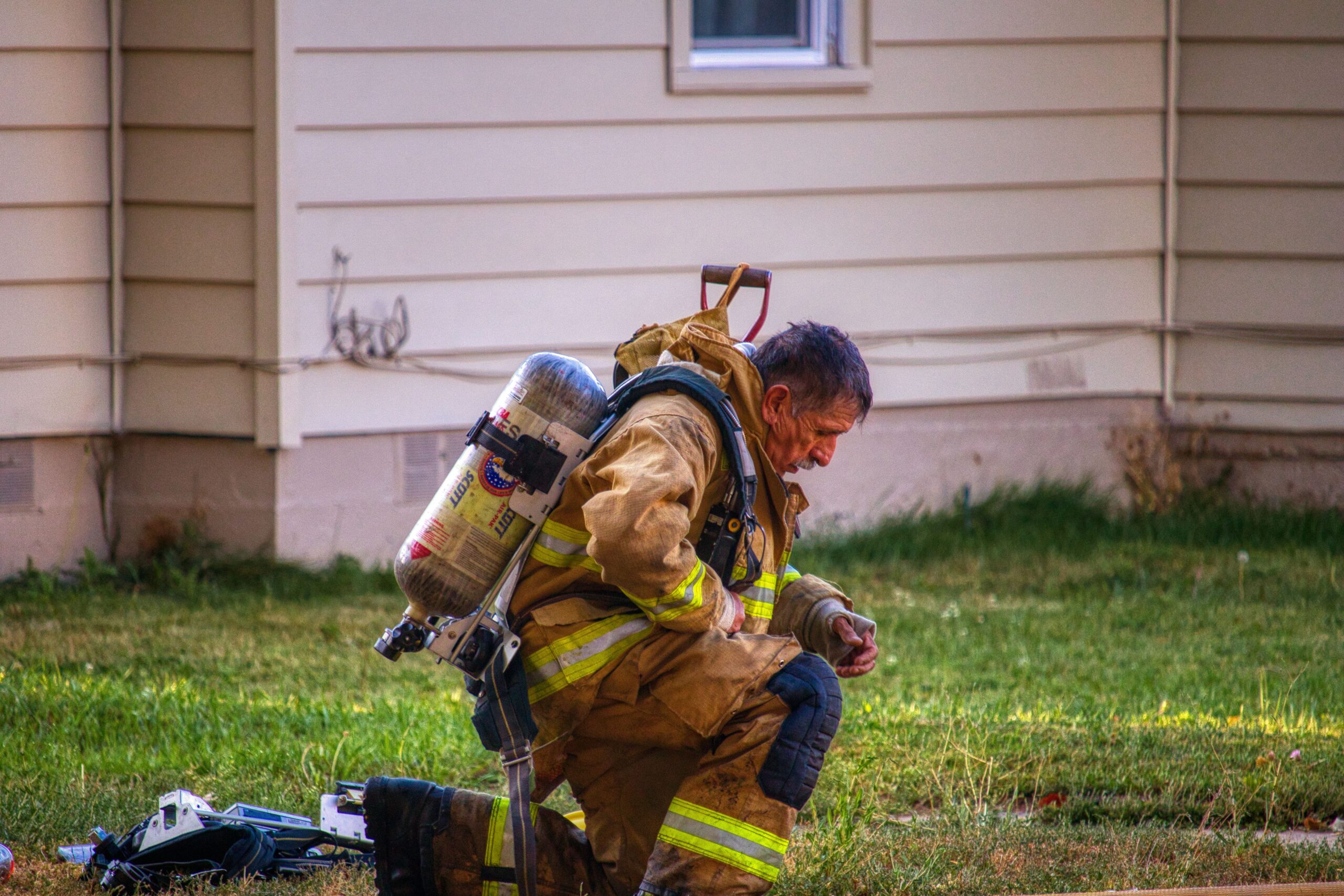
Fit for What?
Fit for What? Fitness makes more sense when we stop asking how healthy someone looks and start asking what their life actually requires them…
-
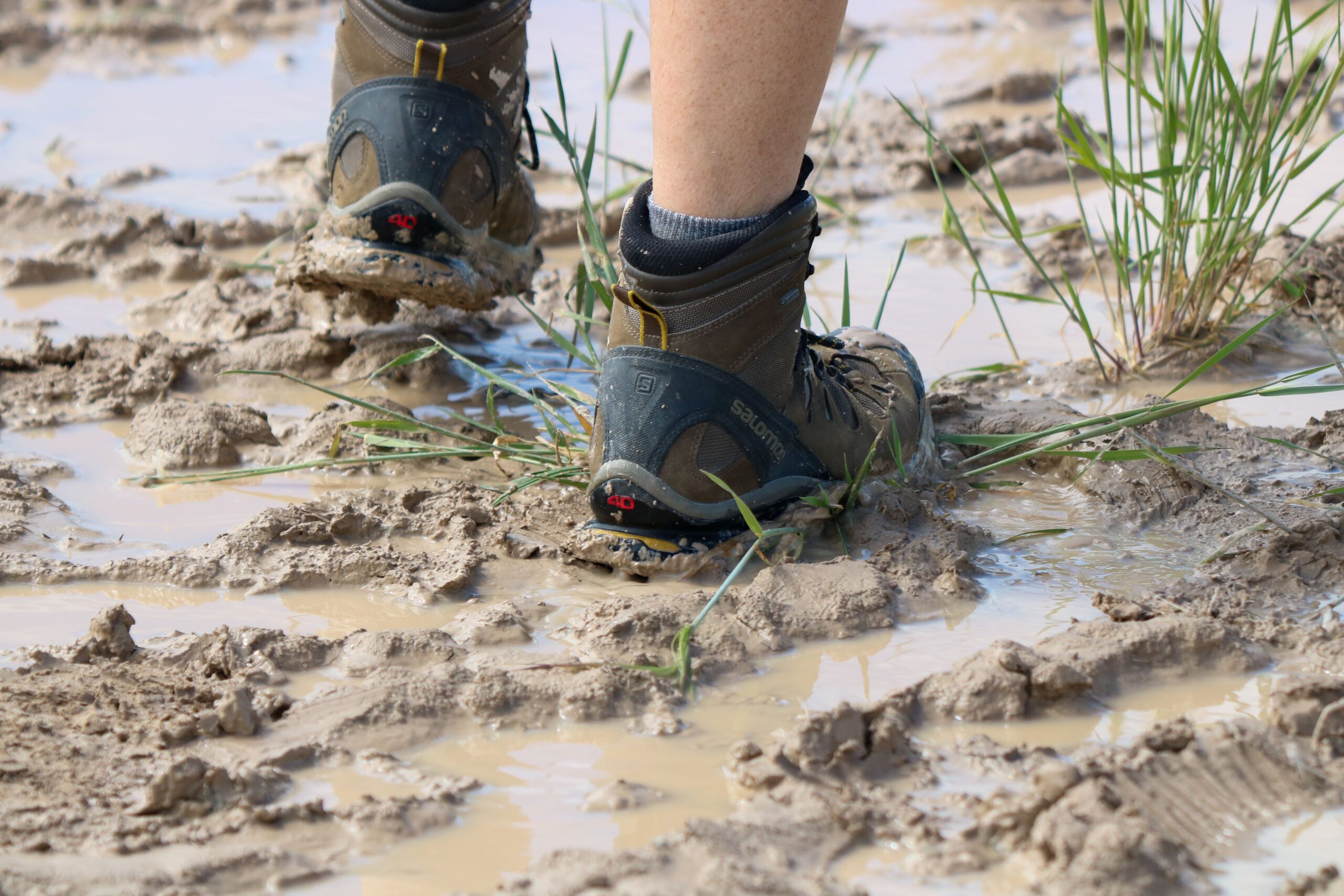
The Things We Carry With Us
The Things We Carry With Us We may behave differently at work, at home, and everywhere in between. But we don’t become different people…
-
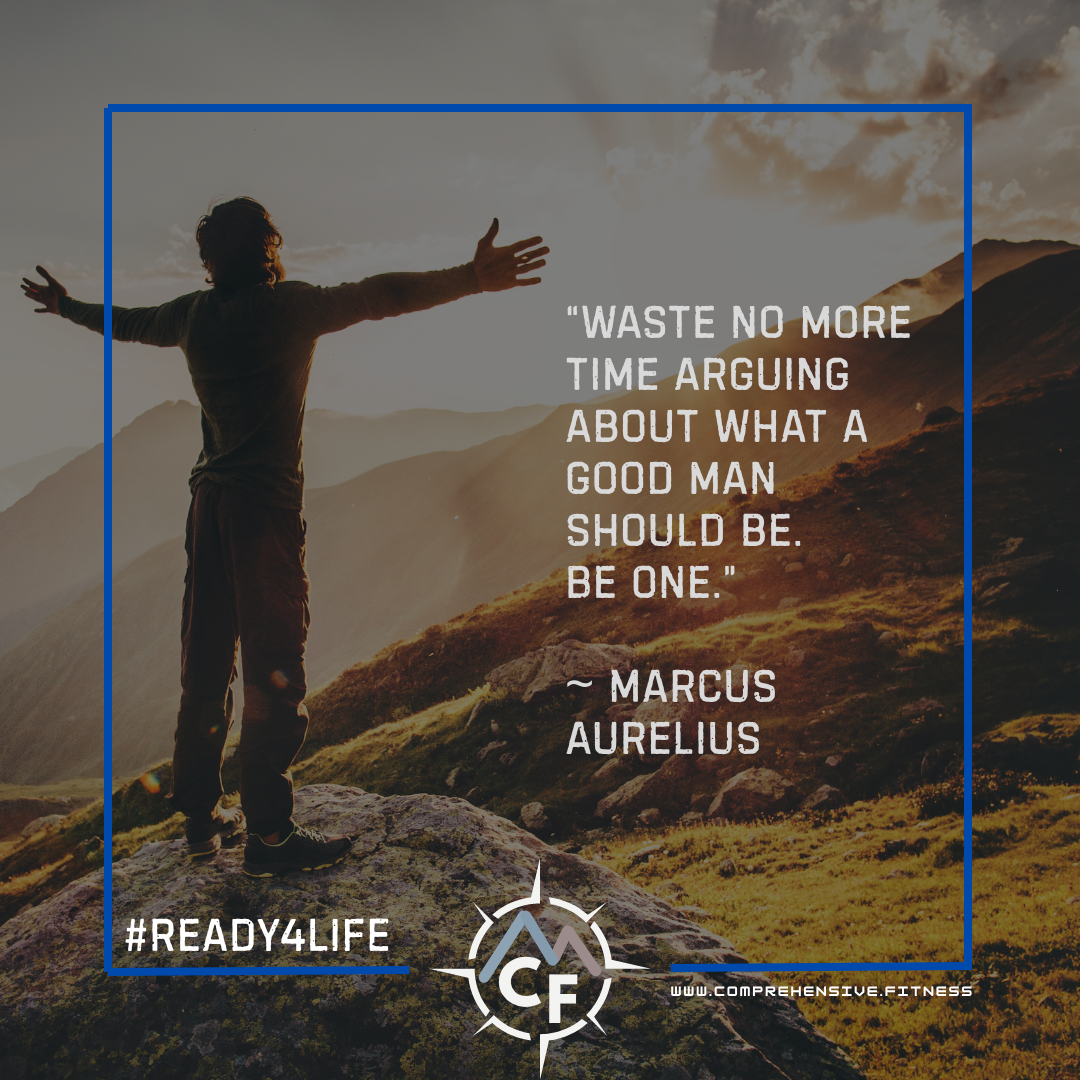
Be One: Becoming the Kind of Person You Want to Be
Be One: Becoming the Kind of Person You Want to Be This week, I spent time with people in very different seasons of life.…