


Physical Fitness
Physical fitness is the capacity to move, perform, adapt, and recover so you can meet the demands of your life. It is one of nine interconnected domains of Comprehensive Fitness.
The meaning of physical fitness
What is physical fitness?
Physical fitness is the ability to perform the physical activities and responsibilities of life with strength, stamina, mobility, stability, and an appropriate capacity to recover. It is not simply an appearance, a number on a scale, or the ability to complete a particular workout.
Being physically fit means having the capacity to meet the demands that matter to you, from carrying groceries and playing with children to performing physically demanding work, recovering from a long day, or remaining independent as you age.
In the Comprehensive Fitness framework, physical fitness is one of nine interconnected domains. It is often the most familiar starting point, but it does not stand alone. Physical capacity supports the rest of life, while relationships, emotional strain, work schedules, resources, and surroundings all affect our ability to maintain it.
The right fitness goal is the capacity you need for the life you want to live, now and in the years ahead.
Physical capacity
What does physical fitness actually include?
Physical fitness is multidimensional even within the physical domain. The major capacities below work together, and different people need different amounts of each.
Strength & muscular endurance
Produce force, carry loads, repeat tasks, and sustain muscular work.
Cardiorespiratory endurance
Move and work without becoming prematurely exhausted.
Mobility & flexibility
Move through the ranges of motion your daily activities require.
Balance, stability & coordination
Control movement, change levels and directions, and remain capable as demands change.
Physical fitness also depends on how well we support those capacities. That is where sleep, everyday activity and nutrition become essential.
Three everyday behaviors that sustain readiness
The Performance Triad: Sleep, Activity & Nutrition
Strength, endurance, balance, and mobility describe what our bodies can do. But developing those capacities also depends on what we do every day. The U.S. Army’s Performance Triad brings together three foundational behaviors: sleep, physical activity, and nutrition. Comprehensive Fitness uses this model in our Be Your Own Coach workshop because these behaviors influence performance, recovery, and the ability to meet life’s demands.
We’ve explored the Triad in our own article series. Start with our introduction to the Performance Triad, then go deeper into each component below.
01 / PERFORMANCE TRIAD
Sleep & Recovery
Understand the role of consistent sleep, recovery, and the readiness you bring to the next day.
02 / PERFORMANCE TRIAD
Physical Activity
Learn how exercise and ordinary movement support health, endurance, strength, and daily function.
03 / PERFORMANCE TRIAD
Nutrition
Explore how food and hydration fuel activity, support recovery, and contribute to overall fitness.
Think of it this way: The Triad describes the habits that help maintain physical readiness. Physical fitness describes the capacities we develop and use. Neither is the whole of Comprehensive Fitness, but both are important parts of it.
Source acknowledgment: The Performance Triad originates with the U.S. Army. Our linked articles discuss the model and link to original Army resources for readers who want to explore the source material.
One of nine interconnected domains
Where does physical fitness fit within Comprehensive Fitness?
Physical fitness is one domain, not the whole picture. Its effects ripple into other domains, and those domains influence whether we can stay physically ready.
Physical + Emotional
Sleep, activity and stress can influence emotional regulation, while emotional challenges can disrupt exercise, eating and recovery.
Physical + Occupational
Shift work, repetitive demands, lifting, standing and fatigue affect physical readiness. Fitness can support the performance of job tasks.
Physical + Family
Capacity affects what we can do with the people we love, and family schedules often shape the time we have to train.
Physical + Environmental
A walkable neighborhood, a safe place to move, access to food and even the layout of a workspace influence healthy choices.
Want the complete context? Explore what Comprehensive Fitness means and how all nine domains connect.
Practical support · Trainerize
From understanding fitness to practicing it
Knowing what to do and consistently doing it are different challenges. Comprehensive Fitness uses coaching and the ABC Trainerize app to help people turn good intentions into realistic plans, build useful habits, and notice progress over time.
A plan for your function
Start with your current abilities, constraints, goals and training experience. Coaching can help select an appropriate path rather than a generic workout.
Programs you can access
View scheduled or on-demand workouts, demonstrations and movement options in the app.
Progress you can see
Record completed training, cardio, habits and relevant milestones, without reducing fitness to a single score.
Connection and adjustment
Use check-ins and coach messaging to ask questions, modify a plan, and build consistency when life changes.
Depending on the program, participants may use a custom plan or choose from available options such as Subtle Shift, Strong & Stable, full-body conditioning, or mobility and recovery. The objective is not to keep everyone on the same workout. It is to find an appropriate starting point and progress sustainably.
The app supports the process. It is not the coach, the workout, or the definition of fitness. Its value is making a thoughtful approach easier to practice between coaching conversations.
Learn about the platform: ABC Trainerize client app guide.
Build your own capacity
You do not have to figure it all out alone.
Explore a thoughtful program, seek guidance when you need it, and build a routine that works for your life.
Explore Comprehensive Fitness servicesA practical assessment
Where are you right now?
A useful starting point is an honest, judgment-free assessment of your current capacity. You are not measuring your worth, and you are not comparing yourself to someone else.
What do you need to do?
Identify a task, responsibility or experience you want to keep doing confidently.
What is the limiting factor?
Notice where strength, endurance, balance, mobility, energy or recovery gets in the way.
What would one point better look like?
Choose one realistic action you can repeat this week.
Small, sustainable improvements often build more capacity than occasional bursts of intensity. If pain, injury or medical limitations are present, adjust your approach with qualified support.
Related CF resources
Keep learning and take the next step
Read: Fit for What?
A deeper look at fitness defined by real-life function. Read the article
Explore the complete framework
See how physical fitness fits the bigger picture. What Is Comprehensive Fitness?
Continue to Emotional Fitness
Learn how emotions and stress responses influence daily life. Explore Emotional Fitness
The complete system
Explore the Nine Domains of Comprehensive Fitness
Start with Physical Fitness, or explore whichever domain matters most to you today. Select any icon or name to open that domain.








Nine interconnected domains. One life. Return to the complete Comprehensive Fitness framework.
Keep exploring
Latest from Physical Fitness
-
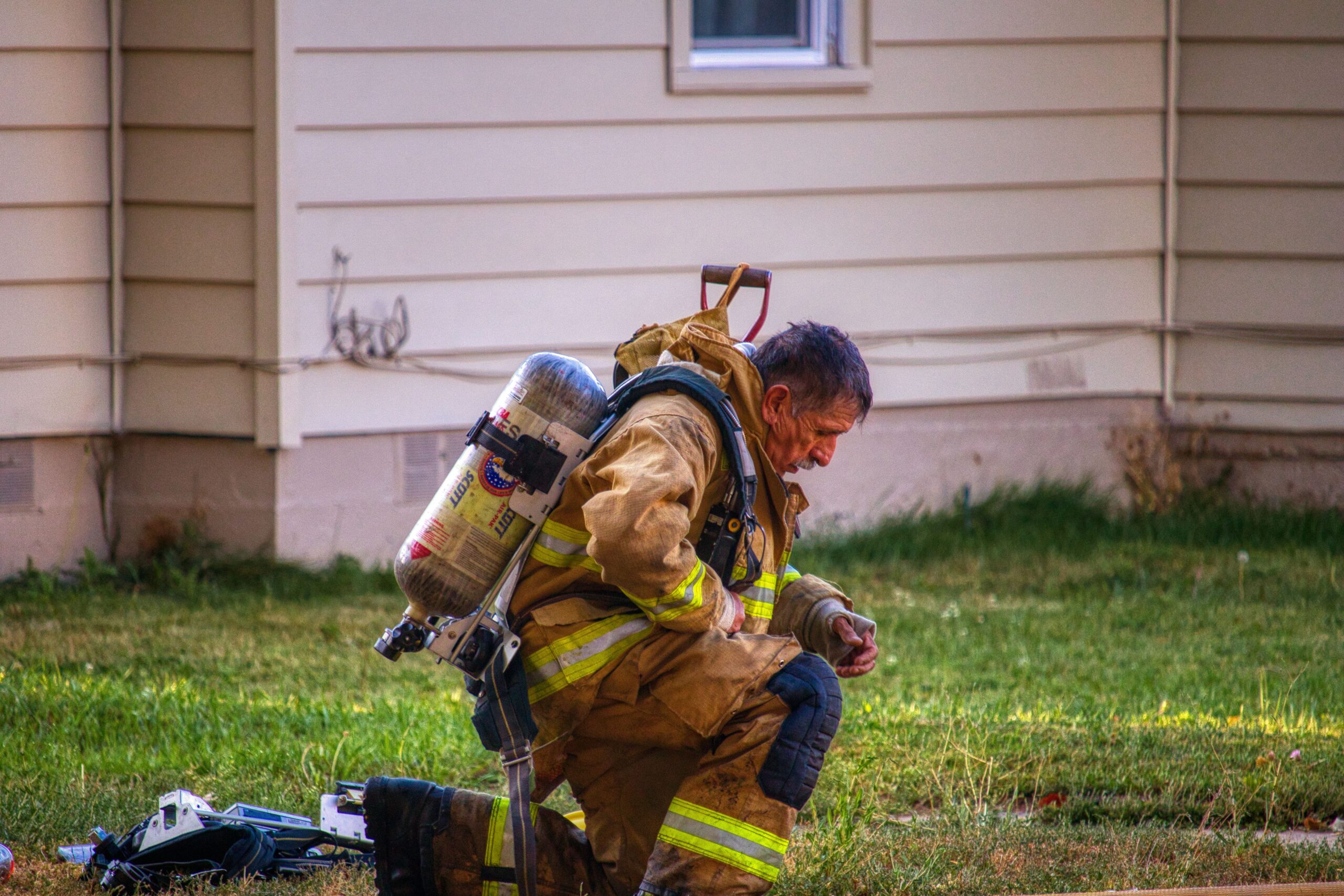
Fit for What?
Fit for What? Fitness makes more sense when we stop asking how healthy someone looks and start asking what their life actually requires them…
-
The Things We Carry With Us
The Things We Carry With Us We may behave differently at work, at home, and everywhere in between. But we don’t become different people…
-
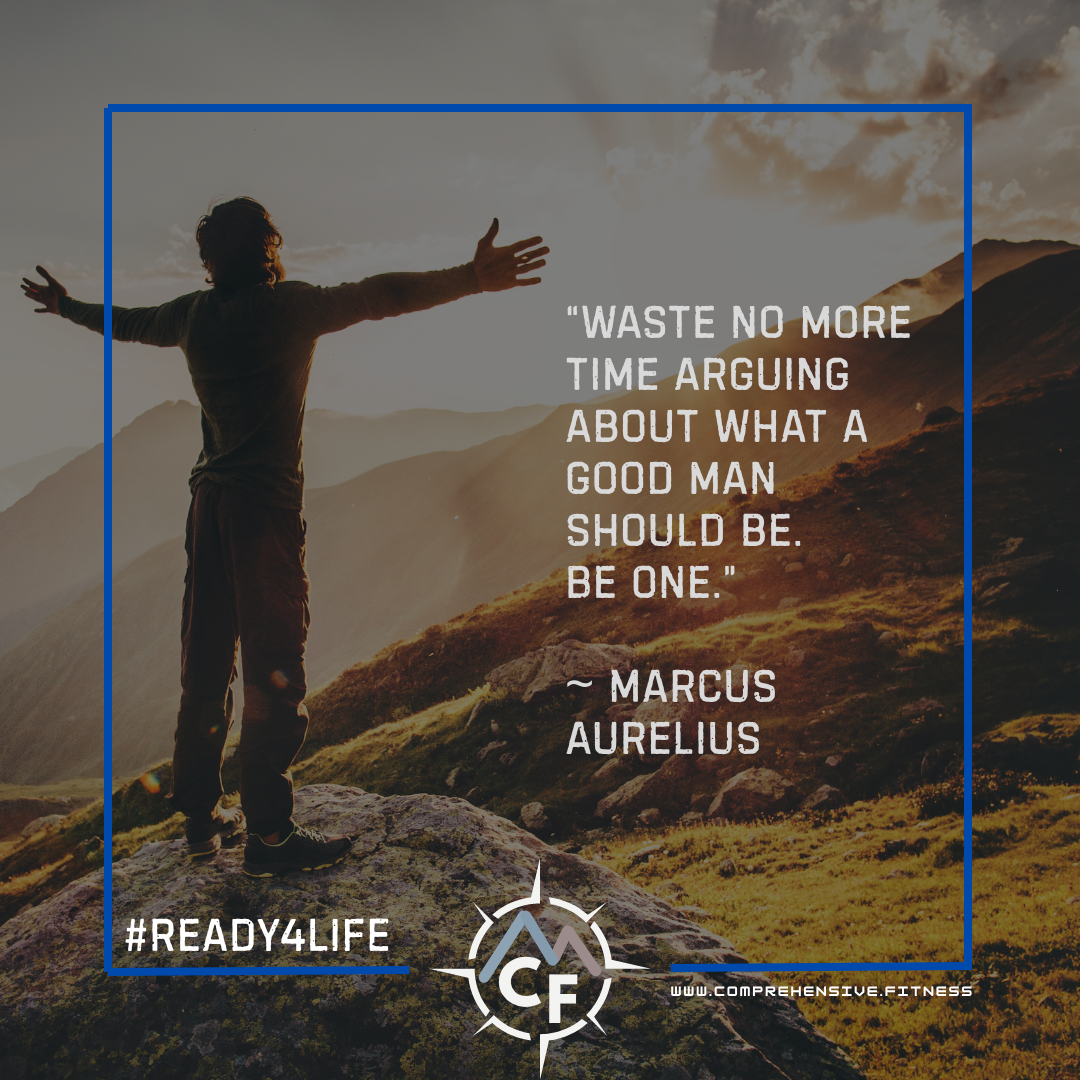
Be One: Becoming the Kind of Person You Want to Be
Be One: Becoming the Kind of Person You Want to Be This week, I spent time with people in very different seasons of life.…